Samsung Reportedly Preparing Its First Googlebook Laptop With Snapdragon X Elite
Samsung’s upcoming Googlebook has appeared on Geekbench with a Snapdragon X Elite chip, 16GB RAM, and Android 17, signaling a new Android laptop platform.

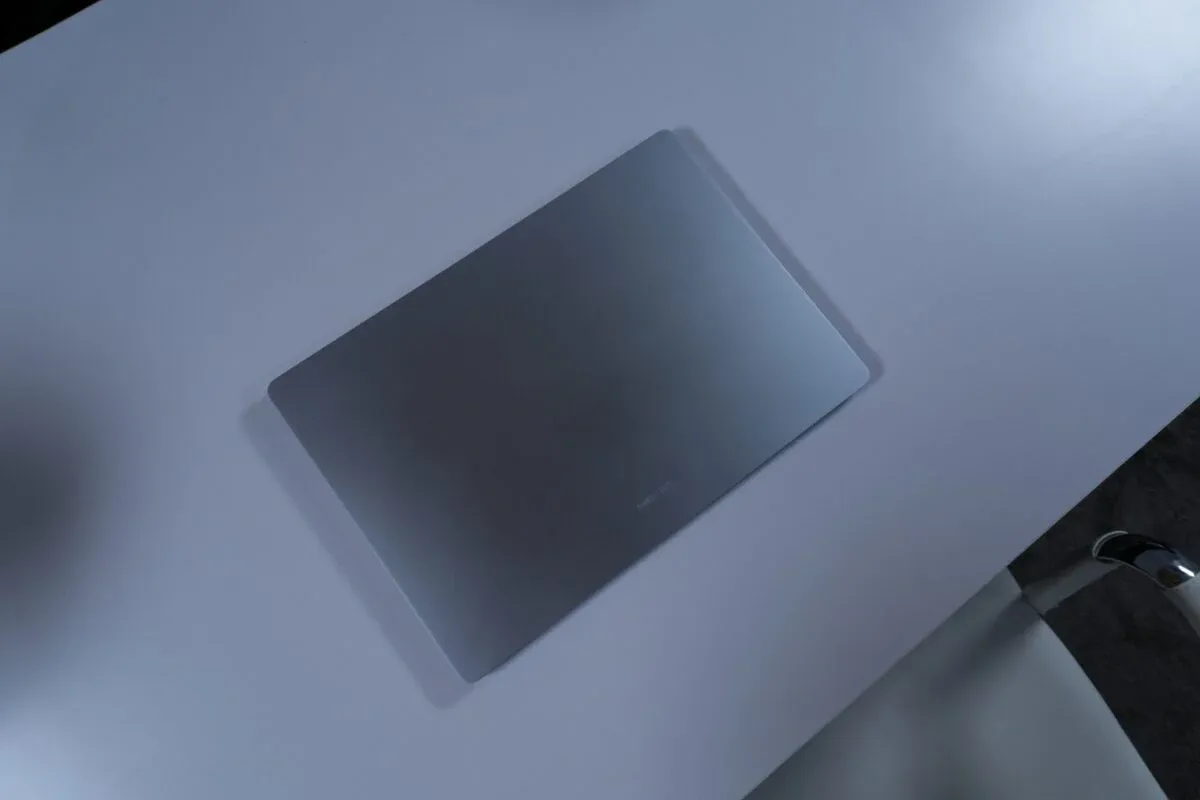
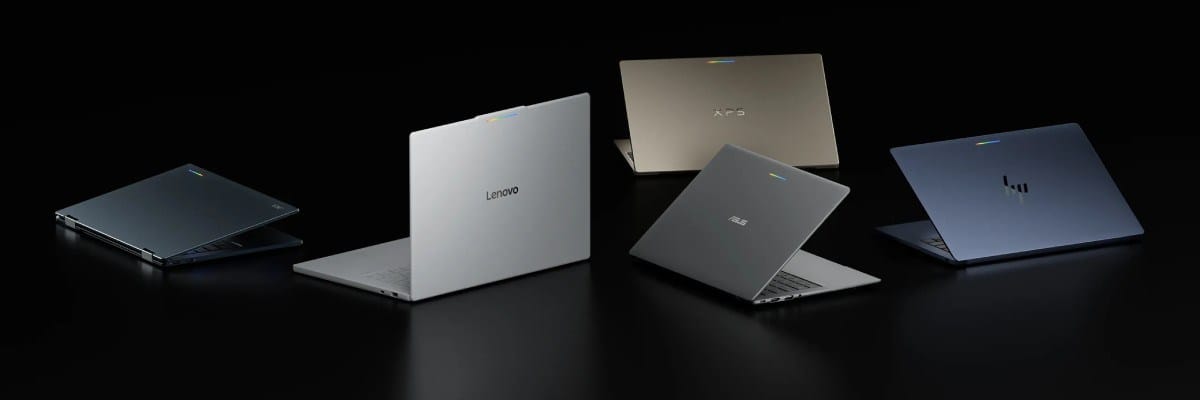
Google appears to be expanding its Googlebook laptop platform, and Samsung may soon become the latest major manufacturer to join the lineup. The platform was introduced as Google's alternative Android-based laptop experience, with official listings already featuring devices from Acer, Asus, Dell, HP, and Lenovo.
A new Geekbench listing now points to an upcoming Samsung laptop, suggesting that the company could be preparing its first Googlebook.
Samsung Googlebook Appears on Geekbench
The upcoming Samsung laptop has been spotted in the Geekbench 7.1.0 database under the model number Samsung XE940XSA. The listing does not reveal the commercial name of the device, so it remains unclear whether Samsung will place it under the Galaxy Chromebook brand or introduce a new naming strategy for its Googlebook lineup.
Samsung already sells Galaxy Chromebook models based on Google's ChromeOS platform, but Googlebooks represent a different category because they run Android rather than ChromeOS.
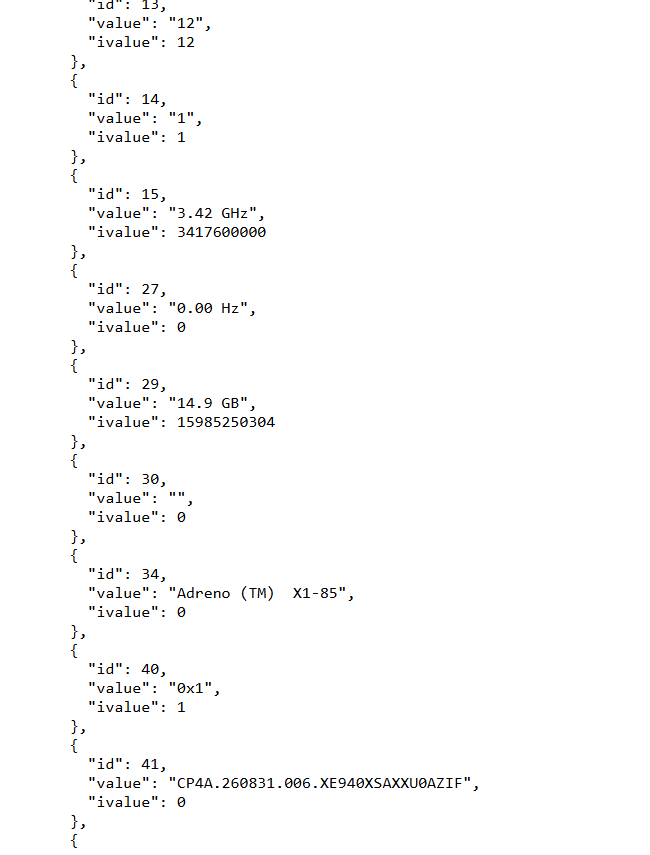
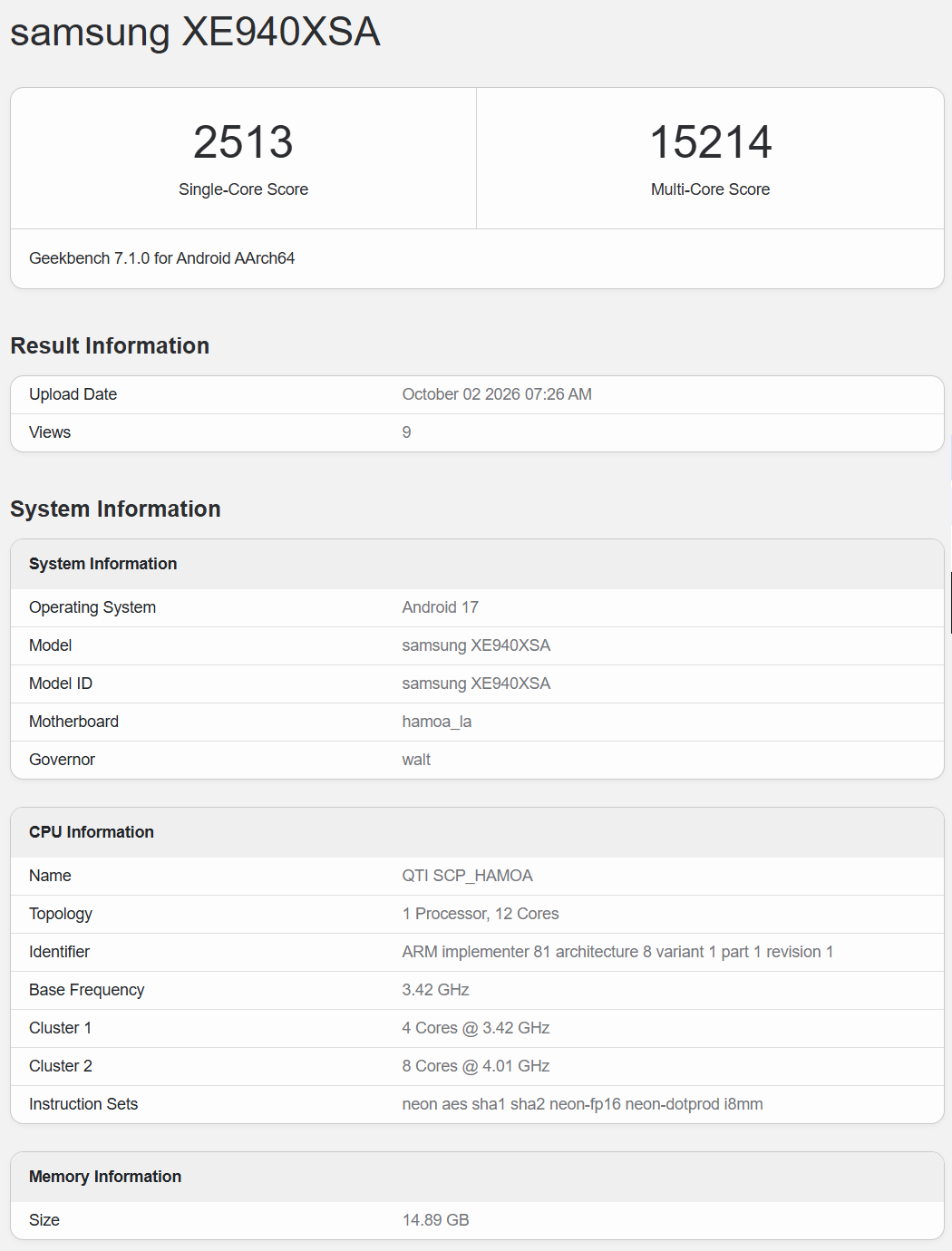
Samsung Googlebook (XE940XSA) result on Geekbench 7.1.0
Snapdragon X Elite Powers the Samsung Laptop
Geekbench identifies the processor in the Samsung XE940XSA as "Hamoa," Qualcomm's internal codename associated with the Snapdragon X Elite platform.
The benchmark indicates that Samsung is using the original X Elite generation rather than a newer Snapdragon X2 series processor. Samsung is not the only company making this choice, as Googlebooks from Dell and HP also use the Snapdragon X Elite, while models from Acer, Asus, and Lenovo are powered by an Intel Core Ultra 5 processor.
Based on the benchmark's reported clock speeds, the Samsung laptop appears likely to be using the Snapdragon X Elite X1E-80-100, the same chip found in the Dell and HP Googlebook models.
16GB RAM Confirmed, Storage Still Unknown
The Geekbench entry confirms that Samsung's upcoming Googlebook is equipped with 16GB of RAM. Storage capacity was not identified in the benchmark listing.
So far, every Googlebook announced has reportedly featured a similar configuration with 16GB of RAM and 512GB of storage. Samsung could follow that trend, although the storage specification remains unconfirmed for now.
Another important detail is the operating system. The Samsung laptop was tested with Android 17, reinforcing that this device is a Googlebook rather than a conventional Chromebook.
Samsung is also expected to introduce its own One UI customizations on top of Google's standard Googlebook interface, although no details or images of the company's software design have surfaced yet.
Snapdragon X Elite Specifications
The Snapdragon X Elite is manufactured using a 4nm process and features 12 Oryon CPU cores paired with an Adreno X1-85 GPU.
The X1E-80-100 variant is also used in other Googlebook models, making it the most likely processor configuration for Samsung's new laptop based on the available benchmark data.
Samsung has already used this processor family in its Windows laptops. In 2024, the company launched the Galaxy Book4 Edge, which offered Snapdragon X Elite chips running Windows 11.
The 14-inch model used the X1E-80-100, while the 16-inch version was optionally available with the more powerful X1E-84-100.
More recently, Samsung introduced the Galaxy Book6 Edge, which moved to Qualcomm's newer Snapdragon X2 Elite X2E-88-100 platform.
Samsung's Android Laptop Strategy Expands
The possible arrival of Samsung's first Googlebook would give the company a new position in the growing market for Android-powered laptops. While Samsung already has extensive experience with Galaxy Chromebooks and Windows-based Galaxy Book devices, an Android laptop would represent a different approach.
The Geekbench listing confirms several important details, including the Samsung XE940XSA model number, Snapdragon X Elite platform, 16GB of RAM, and Android 17 software. However, Samsung has yet to officially announce the device, meaning its final name, storage capacity, design, pricing, and availability remain unknown.