Galaxy S27 Pro and Ultra Rumored to Get DC Dimming and M16 OLED
Rumors say the Galaxy S27 Pro and Ultra will bring flicker-free DC dimming, Samsung's latest M16 OLED and Privacy Display. Here's what to expect.

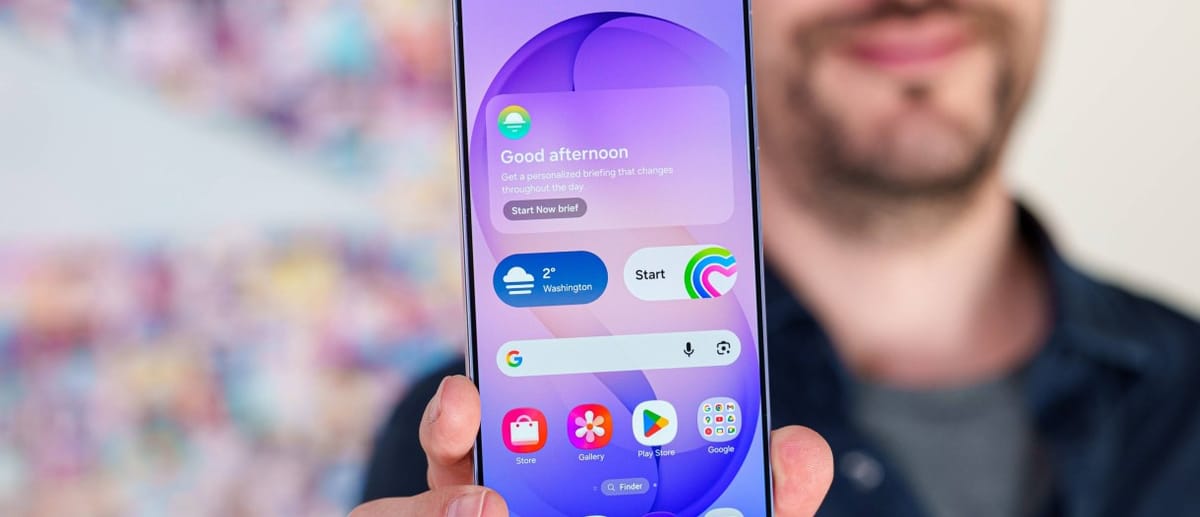
New leaks point to flicker-free DC dimming, Samsung's latest OLED material and a sharper divide between the standard and premium Galaxy S27 models.
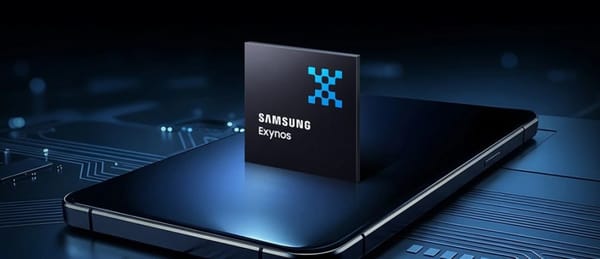
Samsung Display is reportedly preparing to start manufacturing panels for the Galaxy S27 series, and production may already be underway, which lends weight to the latest round of display leaks. The headline claim is that the Galaxy S27 Pro and Galaxy S27 Ultra will be the first Samsung smartphones to offer DC dimming, a flicker-free way to control screen brightness.
That may sound unlikely for a flagship line, but a quick check confirms it: even the Galaxy S26 Ultra still adjusts brightness with traditional PWM.
Key Takeaways
- The Galaxy S27 Pro and S27 Ultra are rumored to be Samsung's first phones with DC dimming, possibly in a hybrid form that still uses PWM at low brightness.
- Both models reportedly get Samsung's latest M16 OLED material, while the standard Galaxy S27 and S27 Plus are said to get M14+.
- Privacy Display, introduced on the Galaxy S26 Ultra, is expected to remain on the Pro and Ultra.
- Hardware 10-bit color support remains a notable gap for Samsung, while some rivals already offer 12-bit color.
What Is PWM Dimming, and Why Does It Cause Discomfort?
Pulse Width Modulation (PWM) is the long-standing method for controlling how bright a screen appears. Instead of lowering the power sent to the light source, it switches that source on and off at very high speed. Depending on the display technology, that light source is a backlight, as on LCDs, or the pixels themselves, as on self-emissive panels such as OLED. Varying how long the light stays on in each cycle changes the perceived brightness.
The approach works, but it is essentially a workaround that relies on the way human vision blends rapid flashes into a steady image. Some people are quite sensitive to it and may experience eye fatigue or even headaches.
DC Dimming Explained: A Flicker-Free Alternative
DC dimming takes a different route. Instead of pulsing the light source, it changes the voltage supplied to it, so brightness shifts smoothly without any flicker. The trade-off is engineering complexity: DC dimming is considerably harder to implement, especially on modern panels that also support features such as variable refresh rate.
Still, the challenge is not insurmountable. The spec sheet of a recent Xiaomi flagship, for instance, lists LTPO-based adaptive refresh rate alongside optional DC dimming. The hurdle remains real, which is why the technology often calls for a hybrid approach: DC dimming handles medium and high brightness levels, while the panel switches to PWM at low brightness. It is a compromise, but one that largely benefits user comfort.
Galaxy S27 DC Dimming: What the Pro and Ultra Leaks Say
The latest rumor claims the Galaxy S27 Pro and S27 Ultra will finally bring DC dimming to Samsung's phones, at least partially, since a hybrid implementation may still be required. According to sources, the feature is one element of a broader display split within the Galaxy S27 family:
- Galaxy S27 Pro and S27 Ultra: Samsung's latest M16 OLED material formula, with DC dimming and Privacy Display.
- Galaxy S27 and S27 Plus: the M14+ OLED material formula.
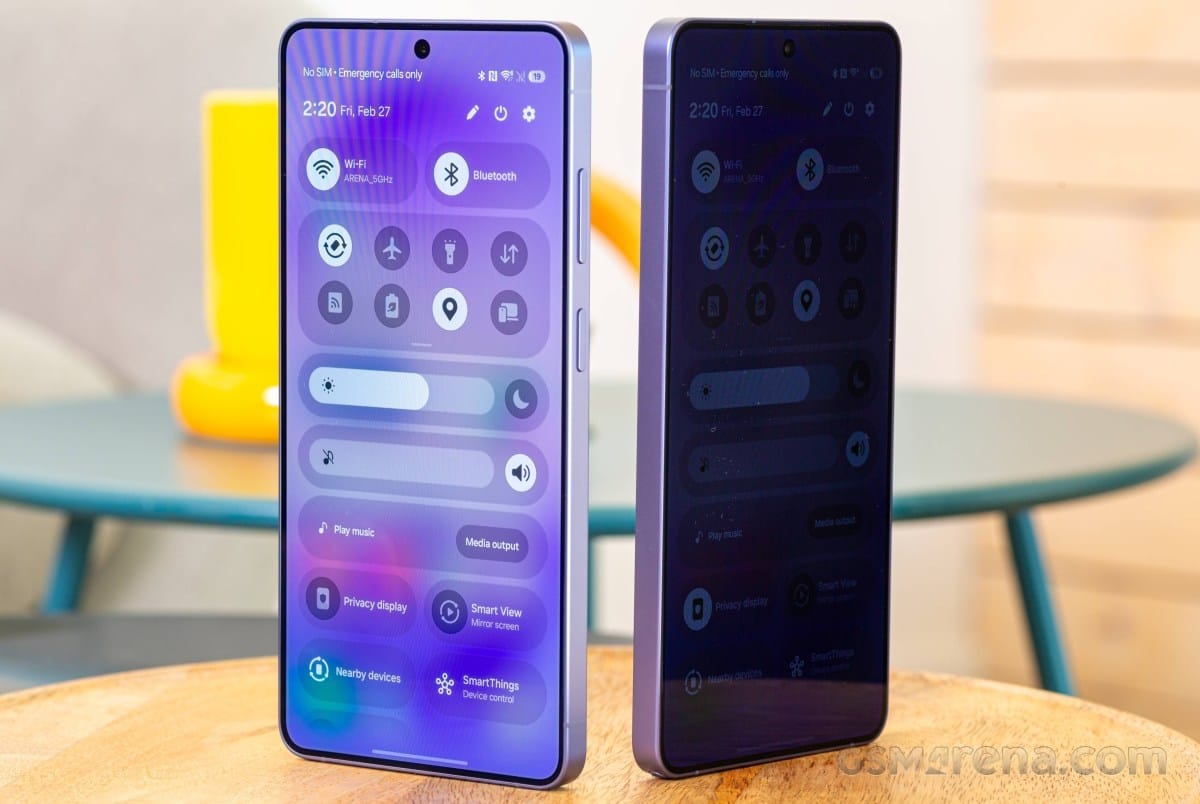
Privacy Display Reportedly Stays on the Pro and Ultra
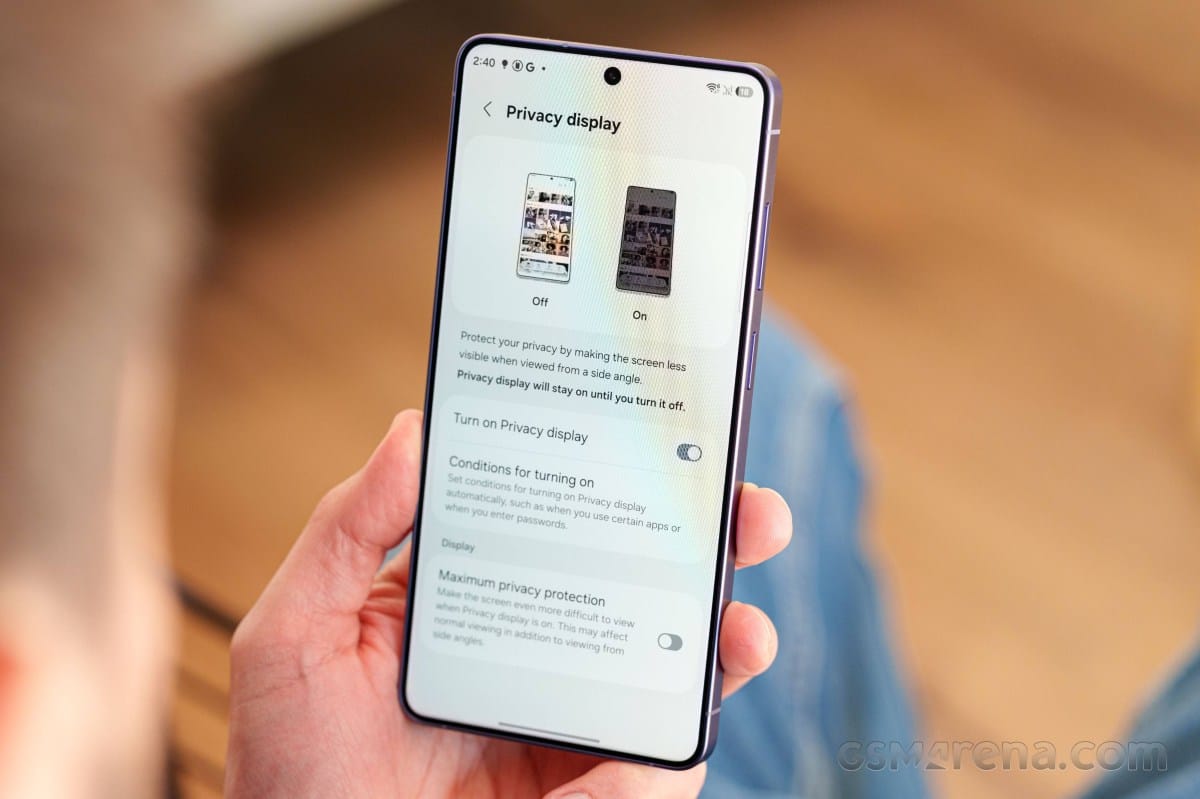
Privacy Display, the feature that debuted on the Galaxy S26 Ultra, is apparently sticking around on the S27 Pro and S27 Ultra as another point of differentiation.
Retaining it is somewhat surprising. Privacy Display is a niche feature that is complex to build in hardware, and it seems like a far larger investment than adding DC dimming.
Where Is Native 10-Bit Color Support?
A DC dimming upgrade would be welcome, but it also prompts an obvious question: where is proper hardware 10-bit color support? Some competitors already offer 12-bit color, so the omission stands out.
Samsung Is Not the Only Brand Making Trade-Offs
Some perspective is useful here. On extremely high-volume models, saving even a few cents per unit makes real financial sense, which helps explain certain hardware compromises. Samsung is also far from alone: Apple's iPhones do not offer true DC dimming either, only a “smooth PWM” mode in the settings, and they lack hardware 10-bit color as well. Any frustration is better directed at the industry's biggest players as a whole than at Samsung in particular.
Final Thoughts
If the leaks hold up, DC dimming, even in a hybrid form, would be a meaningful comfort upgrade for the Galaxy S27 Pro and S27 Ultra, particularly for people who are sensitive to screen flicker. Combined with the M16 OLED material and the continued presence of Privacy Display, it would also set the two premium models clearly apart from the standard Galaxy S27 and S27 Plus. As with any pre-launch information, these details remain unconfirmed until Samsung makes an official announcement.
Frequently Asked Questions
Will the Galaxy S27 have DC dimming?
Current leaks name the Galaxy S27 Pro and S27 Ultra as the first Samsung phones to offer DC dimming, possibly in a hybrid form that switches to PWM at low brightness.
Does the Galaxy S26 Ultra use DC dimming?
No. The Galaxy S26 Ultra relies on traditional PWM to adjust brightness.
What is the difference between PWM and DC dimming?
PWM switches the light source on and off rapidly to change perceived brightness, which can cause flicker. DC dimming adjusts the voltage supplied to the light source instead, so there is no flicker.
Which OLED material will the Galaxy S27 series use?
The S27 Pro and S27 Ultra are reported to use Samsung's latest M16 formula, while the standard S27 and S27 Plus are said to use M14+.