SpaceX Starship Reaches Orbit in Historic Flight, Deploys 26 Starlink V3 Satellites
SpaceX’s first successful Starship orbital flight deployed 26 Starlink V3 satellites, boosted network capacity, and marked a major milestone for the world’s largest rocket and its future direct-to-phone internet plans.

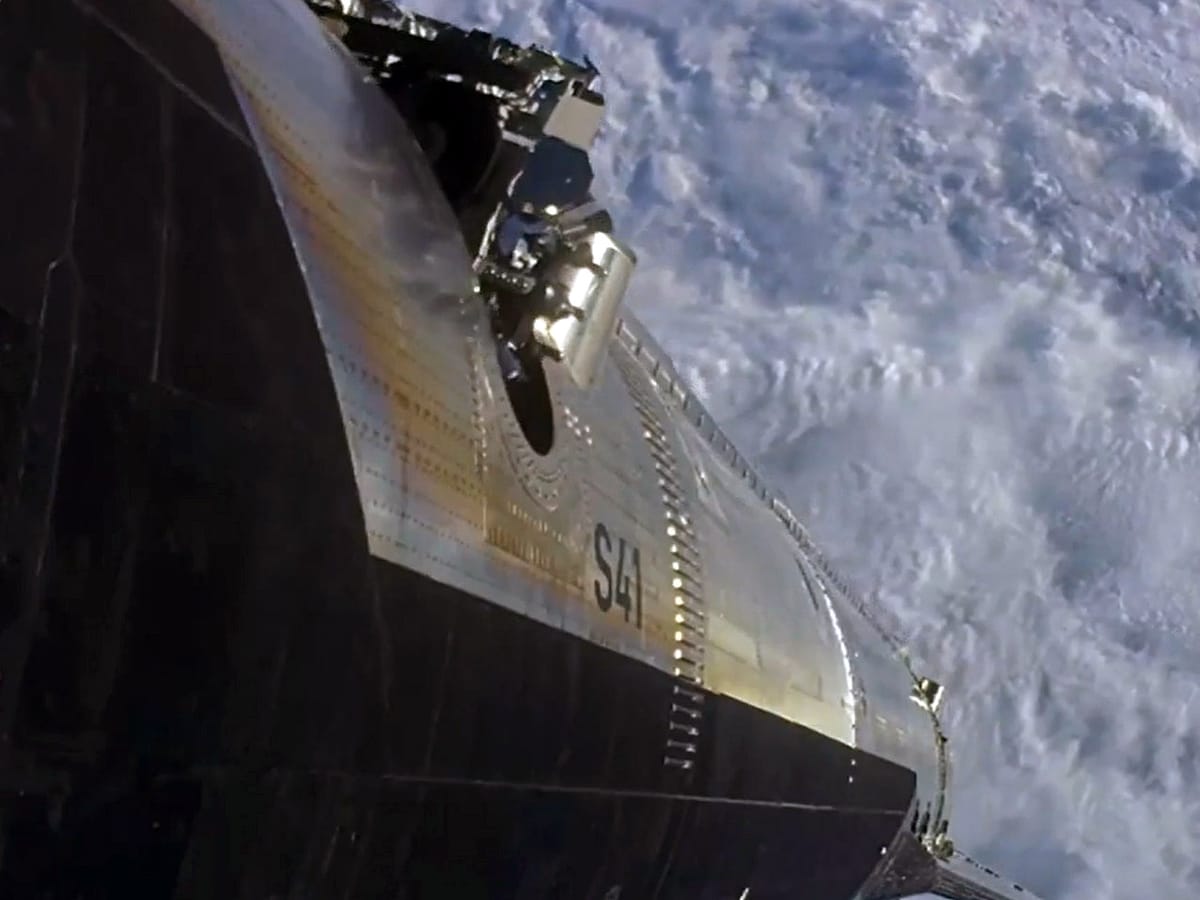
SpaceX has made space history with Starship’s first successful orbital mission, sending the world’s largest rocket into orbit for the first time. The flight was designed to deploy the initial batch of Starlink V3 satellites and mark a major step toward faster satellite internet and future direct-to-phone connectivity.
Despite weather-related delays, the mission achieved its main objectives. Starlink confirmed contact with all 26 satellites in the first batch. According to SpaceX, this single launch will increase network capacity by about 3%, with the long-term goal of expanding the system enough to support a standalone Starlink Mobile 5G service for phones on the ground.
Flight 14 lifted off from Starbase, Texas, and successfully reached orbit. That marks a significant milestone compared with earlier Starship tests, which were suborbital and lasted about an hour. In July, for example, Flight 13 released 20 V3 satellites on suborbital paths, but they reentered the atmosphere and burned up roughly 20 minutes later. This mission was planned to last several hours, complete multiple orbits at around 275 km altitude, and end with a splashdown in the Pacific Ocean west of Chile.
The mission profile for Ship 41 included deploying 26 V3 satellites, performing a deorbit burn using a single Raptor engine, and attempting a controlled reentry. Booster 21 was also expected to carry out a boostback burn after separating offshore in the Gulf.
Each Starlink V3 satellite adds 1 Tbps of capacity, about 10 times more than the previous V2 generation. At roughly two tons each, the satellites are far too large for Falcon 9 to launch in meaningful numbers. Elon Musk has said the full V3 constellation could eventually provide more than 100 times the bandwidth of today’s network, which currently includes around 11,000 satellites.
Three of the satellites are equipped with cameras that will inspect Starship’s heat shield and send imagery back to engineers. That data is expected to support future efforts to recover the ship at the launch site. If the deployment works as planned, Starlink business users may be able to begin using the new satellites with Performance Gen 3 dishes within weeks.
For now, the biggest question is whether Ship 41 survives reentry and lands in the planned ocean recovery zone after about three hours in orbit. SpaceX says flight teams will deorbit Starship safely into the pre-cleared Pacific area. If the mission’s goals are fully met, the next step could be an attempt to catch the upper stage on a future flight, opening a new phase in reusable rocket development.